
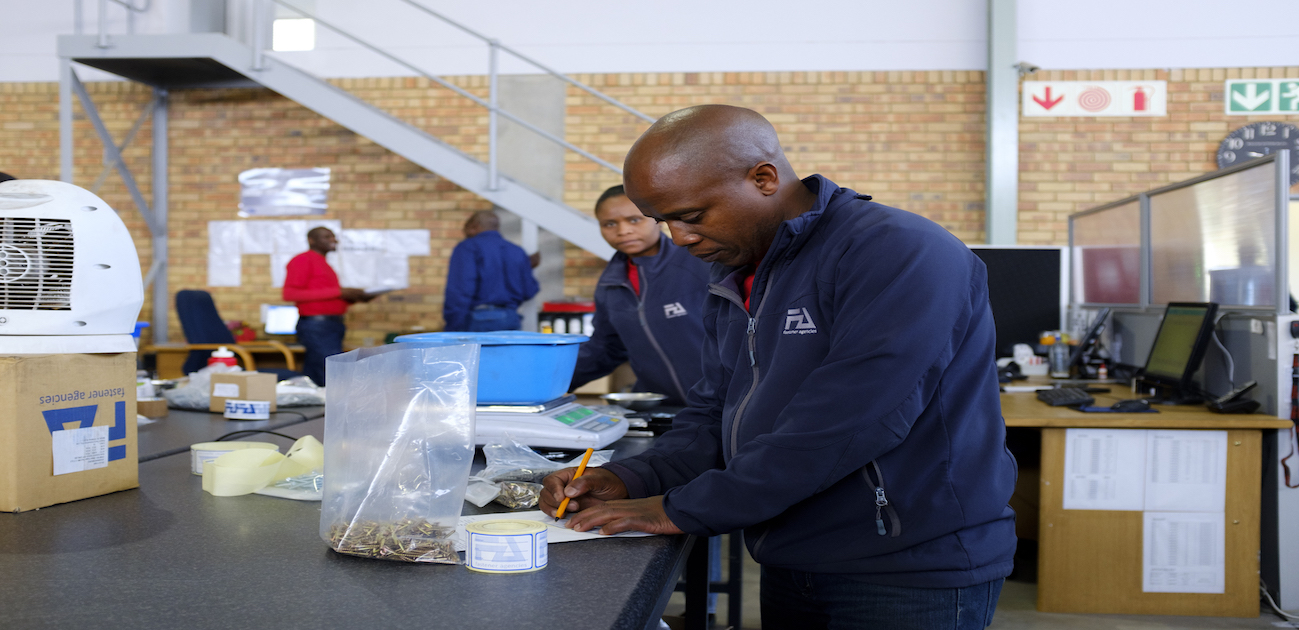
For us at Fastener Agencies quality is one of the core principles of our business. Quality also goes hand in hand with superior performance. And this is what our customers demand. When you sell for example millions of wood screws every year, in fact we sell a wood screw every second of the day of the year, we believe it is testimony to our superior performing products and service. Today we will discuss, why quality matters in all fasteners?
To sell a quality product that will perform the way it should, we do an enormous amount of research. For instance, we ensure we source the right product for the right application. Over the years we have developed key relationships with some of the best manufacturers in the world.
Screws and bolts are one of the most basic components of manufacturing, engineering and construction. Yet their production has become an advanced, high-tech process with multiple steps.
Perfecting the manufacturing of for example a wood screw by our global manufactures is now an art form. We ensure that our manufacturers only use the best raw material as it has a significant impact on the final product.
Wood screws can come in a wide range of different sizes and shapes. However, the basic production process generally remains the same. It starts with cold forging carbon steel wire into the right shape. Subsequently, followed by heat treating to improve strength and surface treating to improve durability.
Although screws are generally made from low to medium carbon steel wire, other metals may also used. An example, such as stainless steel, brass, nickel alloys, or aluminum alloy. Quality of the metal used is of utmost importance in order to avoid cracking. When applying a finish to the screw please ensure if of compatible make-up. You may coat or plate steel with the following: zinc, cadmium, nickel, or chromium for extra protection. The thread rolling method manufactures the bulk of all screws.
How screws are made
Screws are part of a family of threaded fasteners that includes bolts and studs as well as specialised screws like wood screws. There are two types of screws, machine and wood screws. Metal makes up both of these. However, the machine screw has a constant diameter and joins with nuts. While the wood screw is tapered in order to grip to the actual wood surface.

8 common wood screws and their application
When manufacturing screws from carbon steel, its state is raw steel. Therefore, it has no protection against atmospheric influences, rust and discolouring.
We determined the choice of surface treatment by the screws application. In addition to this consideration we incorporate customer requirements.
Plating is a centuries-old process that permanently joins a metal covering to a conductive surface. Platings affect not only how a metal fastener looks, but also its hardness, electrical conductivity, coefficient of friction, and how it will withstand corrosion or wear resistance. Basically to plate a fastener a thin layer of metal bonds at the molecular level to the fastener.
Metal fasteners often come into contact with dissimilar metals – which is a recipe for corrosion and a whole host of other problems. Even the smallest component can ruin the overall effectiveness of a product or cause significant challenges. Which in turn may determine success or failure of a manufacturing project.
There are a number of reasons why plating a fastener is essential; they include (but not limiting to):
Enhances its appearance. Adding a thin layer of precious metal makes the item more aesthetically appealing.
Can increase hardness & thickness. Plated surfaces are less prone to damage which can help to increase their overall lifespan.
Forms a protective barrier. Adds a barrier to protect the item against atmospheric conditions, corrosion, and other extreme conditions. This can result in a longer fastener lifespan.
Prevents tarnishing. Reduces the likelihood of scratching or damage to the fastener.
Reduces friction. Improves performance and reduces premature wear.
Can resist heat. Some platings can withstand extremely high temperatures and environments and will protect and extend the life of your fasteners.
Can prevent galling. Similar metals can become cold-fused together. Screws threaded into blind tapped holes are commonly affected by galling, and components made of stainless steel are especially susceptible.
Sourcing and supplying superior performing fasteners is what we have been doing for over 30 years.
We only use ISO accredited manufacturers to ensure quality throughout the manufacturing and operational process. Since we do not manufacture ourselves we rely on our manufacturing partners to be accredited.
Talk to us about your fastener requirements. We understand fasteners.

